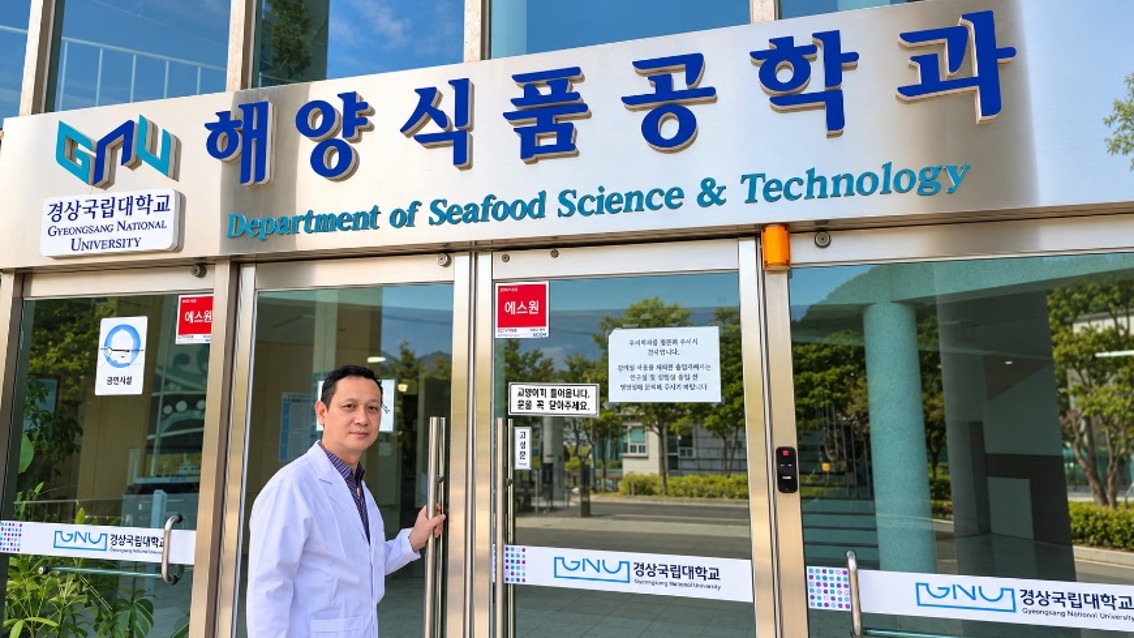
Semarang, Indonesia – The Faculty of Fisheries and Marine Science, Universitas Diponegoro (FPIK UNDIP), continues to build international research collaboration with overseas universities. As part of this effort, Dicky Harwanto, S.Pi., M.Sc., Ph.D., joined a Staff Mobility Program at Gyeongsang National University (GNU), South Korea.
The program ran from September 16 to October 15, 2026. During this time, he worked with local researchers to develop joint research in fisheries and marine science.
FPIK UNDIP Lecturer Studies Seaweed Toxicity
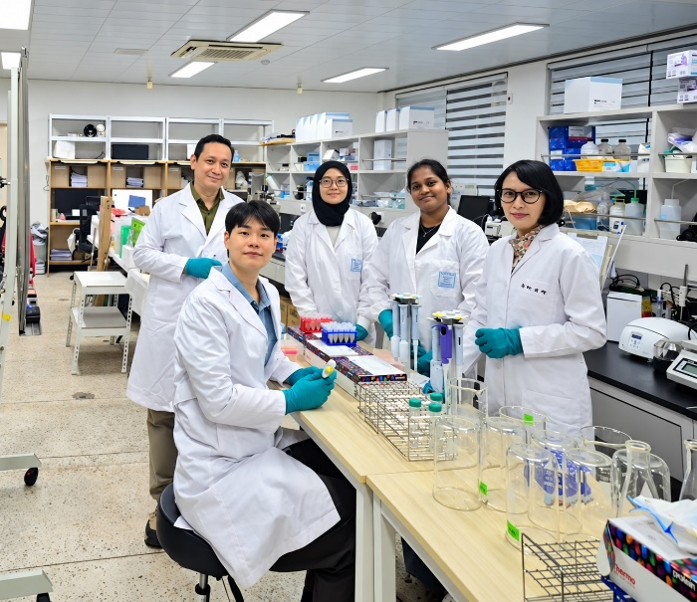
During the program, Dicky Harwanto worked as a visiting researcher. Prof. Jae Suk Choi, Head of the Foodtech Laboratory, Department of Seafood Science and Technology at GNU, invited him to join the research team.
Together, they studied the toxic effects of seaweed on aquatic organisms. Their research examined how certain compounds affect aquatic life. They also explored whether these compounds could help researchers develop natural medicinal ingredients.
Through this work, the team hopes to improve our understanding of seaweed and its bioactive compounds. In addition, the findings may support further research and promote the sustainable use of aquatic resources.
Readers can learn more about the university through the official Gyeongsang National University website.
Dicky Harwanto Shares Ideas on Shellfish Waste
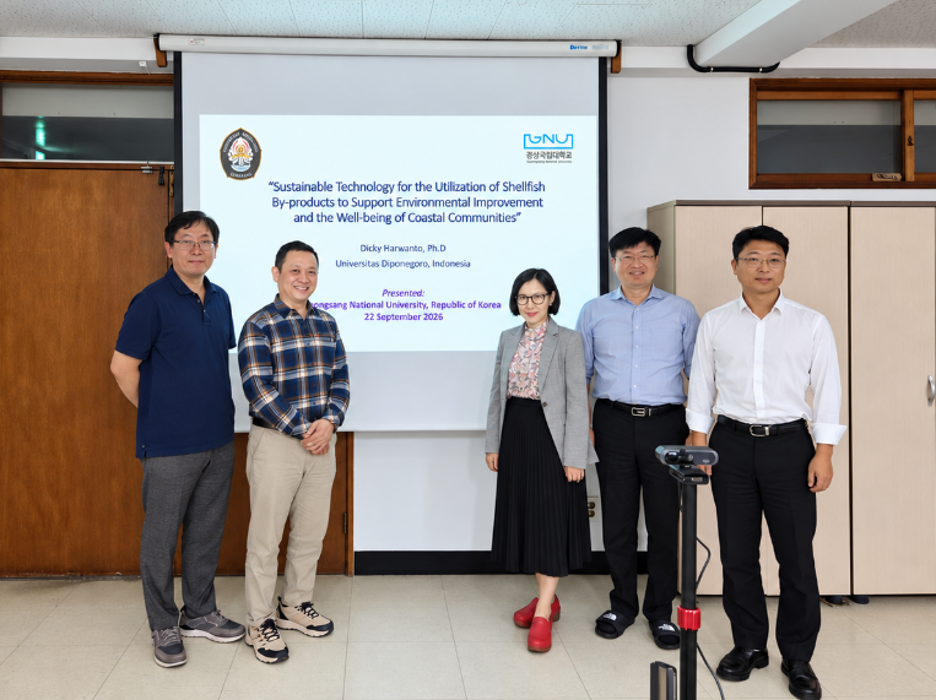
Besides conducting joint research, Dicky Harwanto also served as an invited speaker at a seminar on shellfish waste. Researchers from the ANCHOR Project at GNU organized the event under the coordination of Prof. Jae Suk Choi.
The seminar explored ways to turn discarded shells into useful products. This approach creates new opportunities for marine research and product development. At the same time, it can help reduce waste from fisheries activities.
Furthermore, shell waste can support a circular economy. This approach encourages people to reuse materials instead of throwing them away. As a result, shell waste can gain new economic value while reducing its impact on the environment.
International Research Collaboration Targets Joint Publications
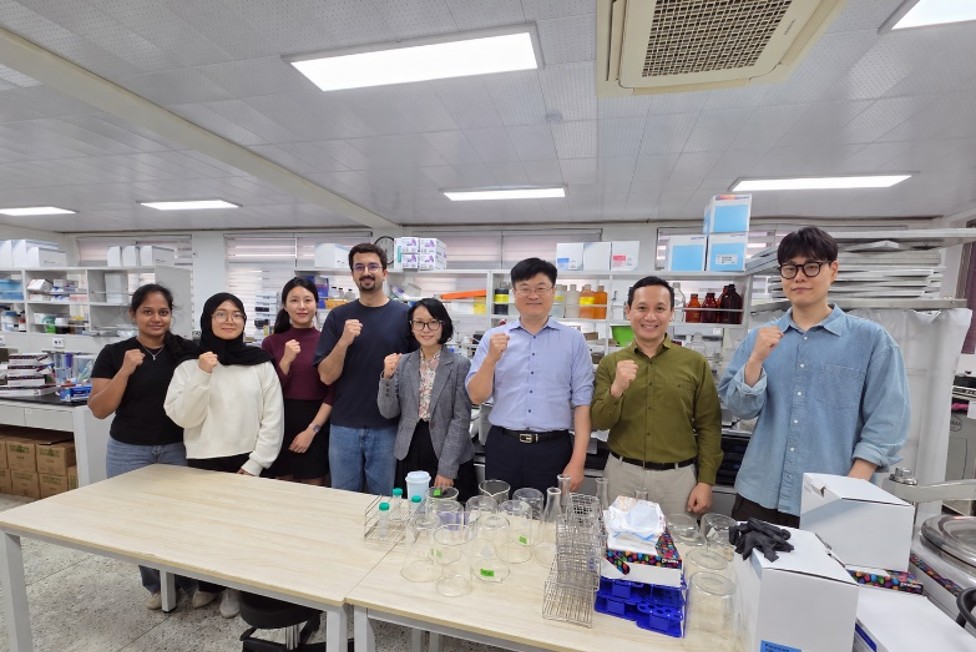
The Staff Mobility Program aims to achieve two main outcomes. First, the researchers plan to publish their findings in reputable international journals. Second, FPIK UNDIP and ANCHOR at GNU aim to sign a Memorandum of Agreement (MoA).
These goals can strengthen future research partnerships. Moreover, the collaboration can help researchers share knowledge, improve research output, and plan new academic activities together.
The program also helps FPIK UNDIP expand its international research network. By working with overseas partners, lecturers can exchange ideas and develop stronger research skills. Consequently, these efforts can improve the quality and global reach of their research.
Supporting UNDIP’s World-Class University Vision
Dicky Harwanto’s participation also supports Universitas Diponegoro’s vision of becoming a World-Class University. International partnerships help lecturers build research skills and improve scientific work.
In addition, joint projects can create opportunities for more scientific publications and new research ideas. These efforts can strengthen FPIK UNDIP’s role in fisheries and marine science.
Looking ahead, FPIK UNDIP and Gyeongsang National University aim to build on this collaboration through joint research, scientific publications, and stronger academic ties. Ultimately, this partnership can support scientific progress and the sustainable use of aquatic resources.
For more information about the faculty’s activities and partnerships, visit the official FPIK UNDIP website.