Semarang, Indonesia – Universitas Diponegoro (UNDIP), through its Faculty of Fisheries and Marine Science (FPIK), Department of Marine Science, initiated the WCU–SDGs International Community Services program on August 30–September 1, 2026. The program carries the theme “Circular Bioeconomy-Based Waste Transformation through Composting Technology and Fishery Waste Valorization to Support SDGs 11, 12, and 13 in Urban and Coastal Communities in Central Java.”
The program promotes organic and fishery waste management through the circular bioeconomy approach. It encourages communities to turn waste into useful products with economic value. In addition, the initiative introduces practical ways to reduce waste and make better use of available resources.
The program addresses two major environmental challenges. The first is household organic waste management in urban areas. The second is fishery waste utilization in coastal communities. Without proper management, both types of waste can harm the environment. However, they also offer opportunities to create valuable products.
FPIK UNDIP Introduces Waste Processing Technology to Communities
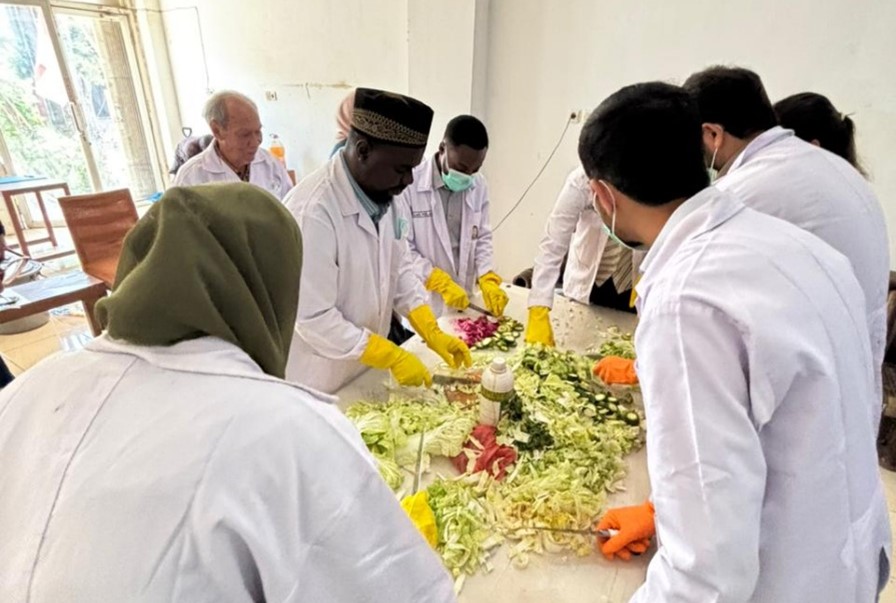
The community service program focuses on two main activities. The first involves processing household organic waste into compost and bioactivators in Tembalang District, Semarang City. Meanwhile, the second focuses on fishery waste utilization in Tambak Lorok.
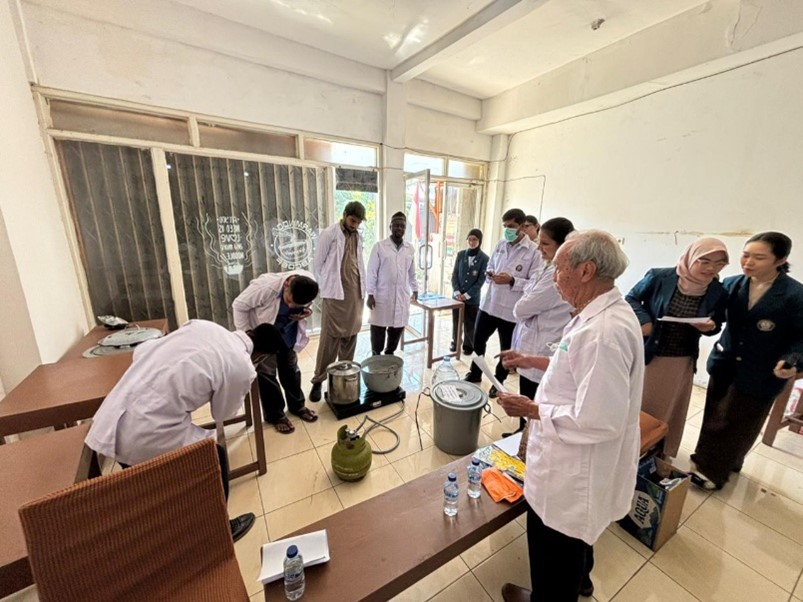
To support these activities, the team provides education and hands-on training for local communities. Participants also take part in appropriate technology demonstrations and mentoring sessions. Furthermore, the program promotes knowledge transfer to help residents apply the skills they have gained.
Through these activities, communities are expected to improve their waste management practices. They can also learn how to reuse waste from household and fishery activities. As a result, the program not only helps reduce environmental waste but also creates opportunities for additional economic value.
International Program Welcomes Delegates from Seven Countries
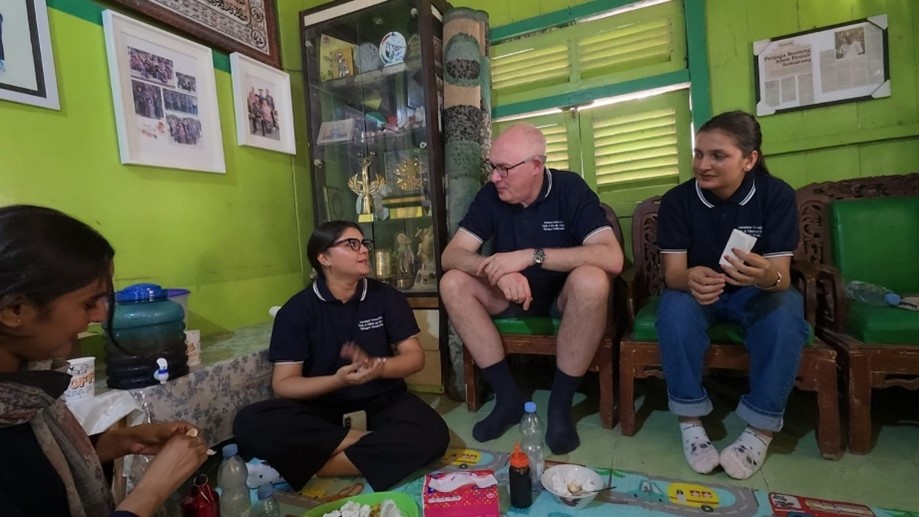
The WCU–SDGs International Community Services program also strengthens international cooperation. A total of 12 delegates from seven countries joined the activities. They represented the United Kingdom, Thailand, Malaysia, South Korea, Pakistan, Yemen, and Tanzania.
Their participation provides opportunities to exchange knowledge and experiences. Moreover, delegates can share different perspectives on waste management in urban and coastal areas. This exchange also introduces various approaches to applying circular bioeconomy principles in local communities.
As part of the program, FX. Hartono, S.Km. from CV. Hapsari delivered a session entitled “From Waste to Resources: Circular Bioeconomy for Sustainable Communities.” The session explored ways to transform waste into useful resources. It also highlighted how this approach can support more sustainable communities.
Furthermore, Sururi from CV. Mangrove Lestari presented a session entitled “Turning Fishery Waste into Valuable Resources: For Sustainable Communities and Healthy Coastal Ecosystems.” The presentation discussed the potential of fishery waste as a resource for further use. It also emphasized the importance of proper waste management in protecting coastal ecosystems.
Strengthening Collaboration among Academics, Practitioners, and Communities
The program involves practitioners and partners to connect academic knowledge with real-world applications. Through this collaboration, communities gain both knowledge and practical experience. In addition, IVP Australia and Bhumi Horta Foundation support the program as partners.
The involvement of different stakeholders plays an important role in achieving the program’s goals. Academics contribute knowledge and mentoring. Meanwhile, practitioners share their experience in technology application and waste management. Local communities also play a key role by applying these practices in their daily activities.
Beyond waste processing, the program aims to change how people view waste. Waste should not simply be treated as something to discard. Instead, it can become a valuable resource when processed properly.
Through education, practical training, and appropriate technology, FPIK UNDIP encourages communities to adopt sustainable waste management practices. The program is also expected to serve as a community empowerment model. Furthermore, similar approaches could be applied in other urban and coastal areas.
Through this WCU–SDGs International Community Services initiative, UNDIP continues to strengthen the role of higher education in supporting sustainable development. The program reflects the university’s commitment to education, research, innovation, and community engagement.
In addition, this initiative supports three Sustainable Development Goals (SDGs). These include SDG 11: Sustainable Cities and Communities, SDG 12: Responsible Consumption and Production, and SDG 13: Climate Action.