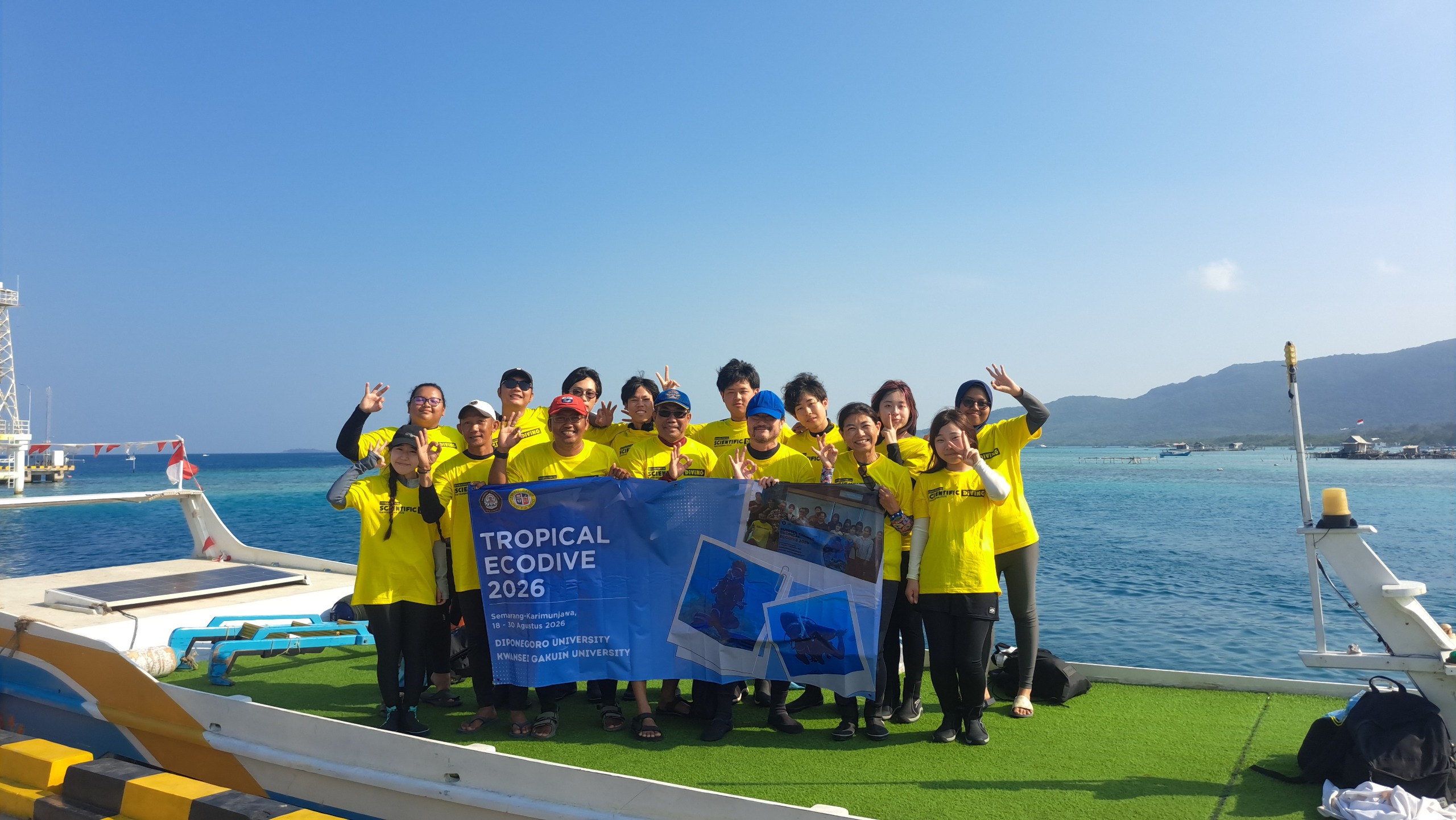
Semarang, Indonesia – The Faculty of Fisheries and Marine Science at Universitas Diponegoro (FPIK UNDIP), in collaboration with Kwansei Gakuin University (KGU), Japan, held the Summer Course Tropical EcoDive: Introduction to Scientific Diving from August 18 to 30, 2026. The international program took place at UNDIP campuses in Semarang and Jepara, as well as Karimunjawa National Park in Jepara Regency, Central Java, Indonesia.
The program welcomed nine participants from KGU’s School of Biological and Environmental Sciences. They included seven students, consisting of four male and three female students. Professor Hidetoshi Sato and Dr. Yuko Sugai accompanied the group as faculty supervisors.
Japanese Students Learn Scientific Diving and Tropical Marine Ecology
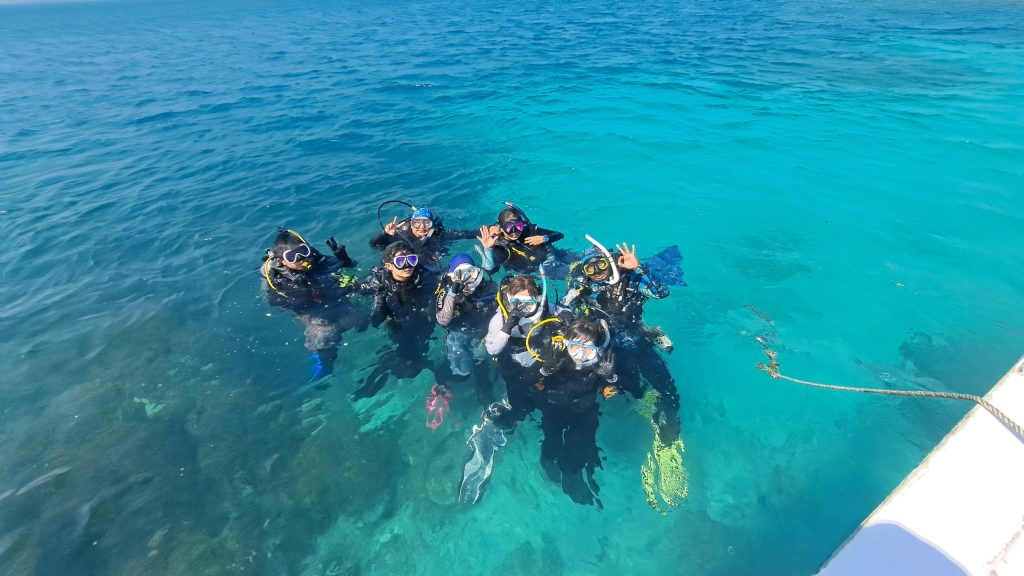
During the 13-day program, participants received training in SCUBA diving and basic scientific diving. They also explored coral reef ecology, marine conservation, and coastal ecosystems in Karimunjawa.
The learning activities combined lectures, fieldwork, scientific diving, and academic discussions. In addition, cross-cultural interactions allowed participants to exchange knowledge and experiences with UNDIP academics and students.
The program involved UNDIP lecturers and diving instructors licensed by ADSI International. The instructor team consisted of Professor Dr. Munasik (3 Star), Bonifacius Arbanto, S.T., M.Si. (2 Star), and Ardian Chamidy, S.Si., M.Si. (1 Star).
Several FPIK UNDIP lecturers also contributed to the marine science sessions. Professor Diah Permata Wijayanti delivered lectures on coral reef biology. Dr. Dwi Haryanti discussed coral reef ecology, while Dr. Rudhi Pribadi presented material on mangrove ecology.
This integrated approach connected classroom learning with field research. As a result, participants gained a better understanding of tropical marine ecosystems and underwater scientific observation methods.
Strengthening Collaboration Between FPIK UNDIP and KGU
The Tropical EcoDive Summer Course is part of the Collaboration Agreement between FPIK UNDIP and KGU. Signed in 2015, the agreement established the Collaborative Programme on Natural Resources in Coastal Areas.
The partnership aims to strengthen human resource capacity in coastal resource management. It also promotes knowledge exchange and mutual understanding among students from both universities.
Since its first edition in 2016, the program had welcomed 49 international students from KGU by the end of 2025. Approximately 10 students from UNDIP and other Indonesian universities had also participated.
All participants completed the scientific diving training and received diving certificates. Although the program was suspended from 2020 to 2022 due to the COVID-19 pandemic, it later resumed to support international collaboration in marine science education.
Karimunjawa: A Natural Laboratory for Scientific Diving
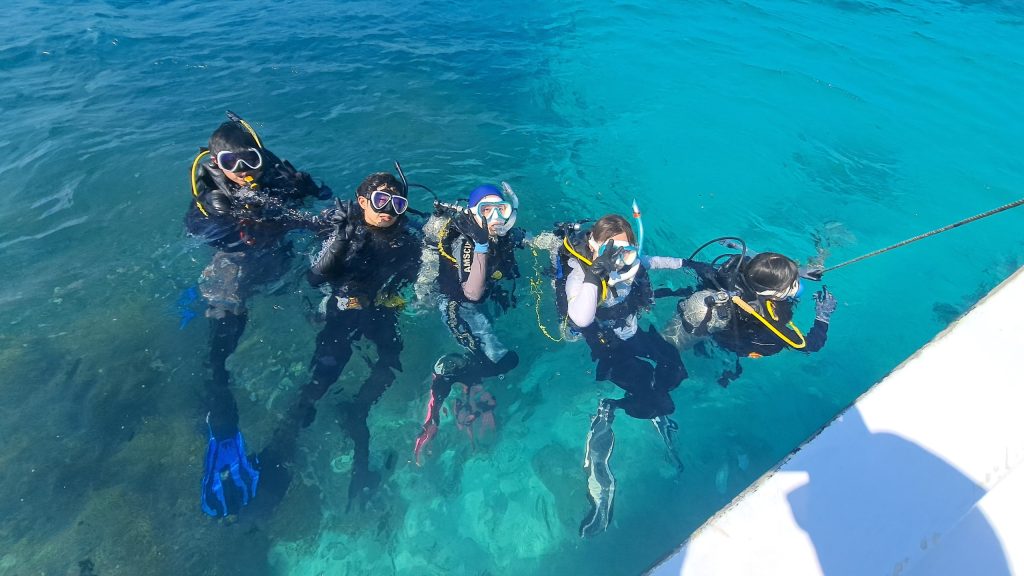
Scientific diving is an important skill for marine scientists. It enables researchers to observe underwater environments directly, monitor ecosystem health, survey marine biodiversity, and collect scientific data.
Karimunjawa was selected as a field training location because of its diverse tropical marine ecosystems. The area features coral reefs, seagrass beds, and a wide variety of marine life.
Through field activities in this marine conservation area, participants learned underwater research methods firsthand. They also explored the importance of conservation and sustainable marine resource management.
These experiences are expected to strengthen participants’ technical skills. More importantly, they help students understand how scientific research can contribute to the protection of coastal and marine ecosystems.
FPIK UNDIP Dean Highlights Global Reputation and Academic Benefits
The Dean of FPIK UNDIP, Professor Agus Trianto, S.T., M.Sc., Ph.D., emphasized the program’s value in developing students’ skills and strengthening the university’s international reputation.
“The Tropical EcoDive Summer Course provides significant benefits for students, particularly by improving their scientific diving skills and understanding of marine ecosystems and coastal conservation. Beyond offering international learning experiences, the program demonstrates FPIK UNDIP’s commitment to strengthening global academic collaboration. We hope to continue developing this initiative to enhance UNDIP’s international reputation and competitiveness, support its World Class University (WCU) targets, and improve its position in global university rankings,” said Professor Agus Trianto.
He added that international programs create opportunities for students to exchange knowledge and experiences. These collaborations also expand academic networks and introduce UNDIP’s strengths in marine education and research to international partners.
Supporting UNDIP’s World Class University Goals and the SDGs
The Tropical EcoDive Summer Course supports UNDIP’s 2026 World Class University (WCU) targets. It contributes to international student mobility, particularly inbound mobility, strengthens institutional partnerships, and raises the global profile of UNDIP’s marine research.
Furthermore, the program serves as a platform for academic diplomacy between Indonesia and Japan. Interactions between students from both countries encourage the exchange of knowledge, experiences, and perspectives in marine science.
The initiative also supports several United Nations Sustainable Development Goals (SDGs). These include SDG 4: Quality Education, SDG 14: Life Below Water, and SDG 17: Partnerships for the Goals.
Looking ahead, FPIK UNDIP hopes to further develop the Tropical EcoDive Summer Course as one of its flagship international programs. The initiative aims to prepare globally minded graduates with scientific diving skills who can contribute to coastal and marine conservation.
Through international collaboration in education and research, UNDIP continues to strengthen its commitment to integrating education, research, and community service. This initiative reflects the university’s guiding spirit: UNDIP noble and valuable, extending its positive impact to the global community.