
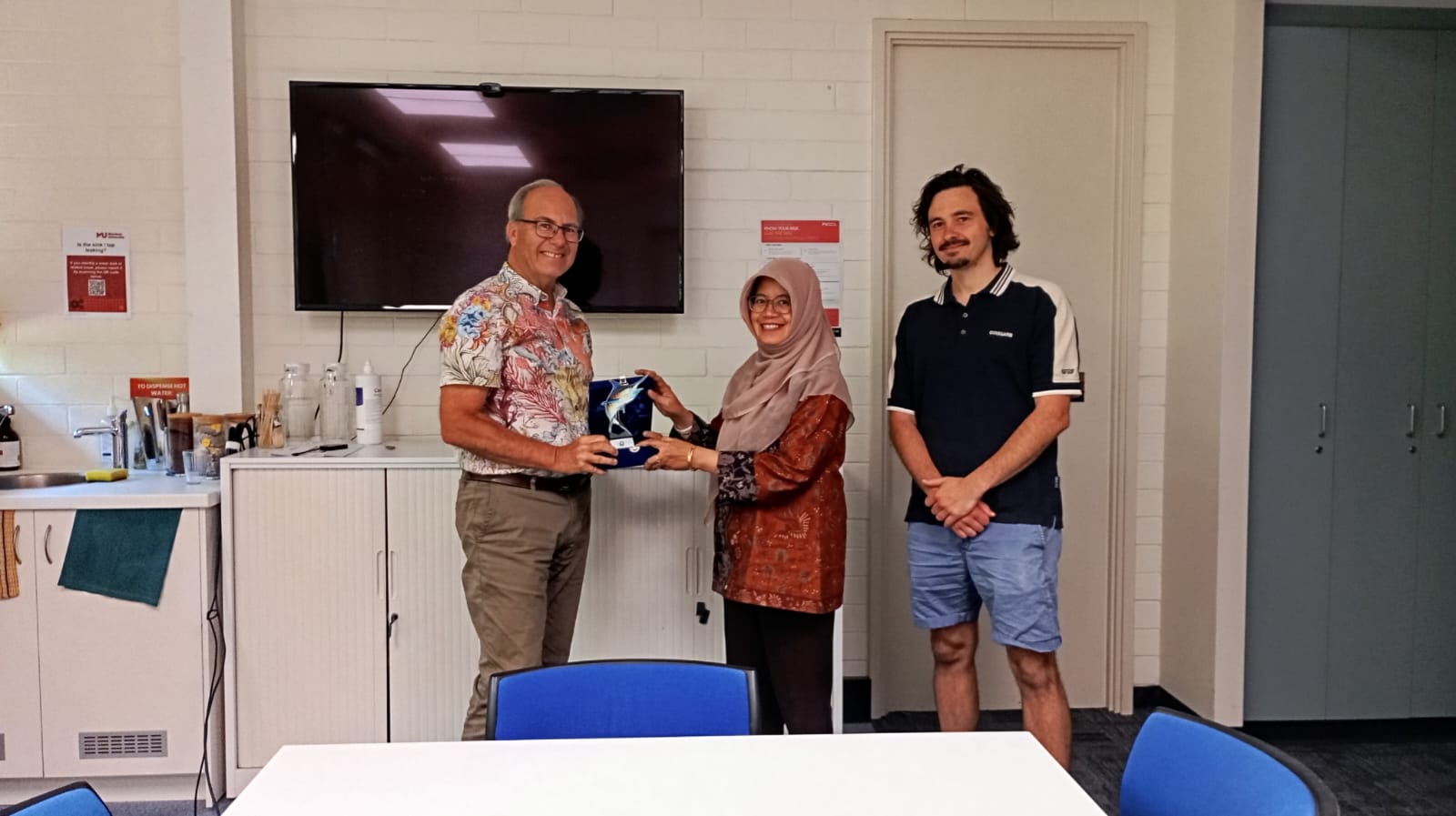
PERTH, AUSTRALIA – The Faculty of Fisheries and Marine Science (FPIK), Universitas Diponegoro (UNDIP), continues to expand its international partnerships. As part of this effort, Prof. Dr. Ir. Diah Permata Wijayanti, M.Sc., represented UNDIP during an academic visit to Murdoch University in Perth, Western Australia, from November 9 to 12, 2026.
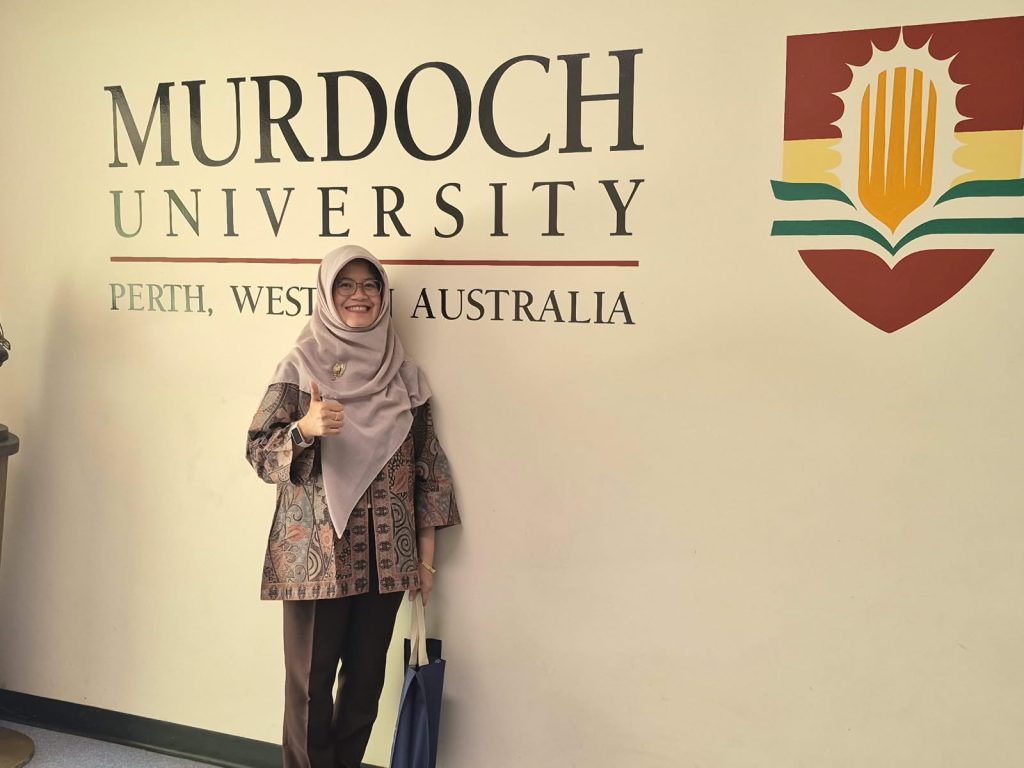
The visit aimed to strengthen the academic relationship between the two universities. It also provided an opportunity to explore new areas of cooperation in education and research.
Previously, UNDIP and Murdoch University signed a Memorandum of Understanding (MoU) on June 16, 2026. Therefore, this visit served as a follow-up step to develop the partnership through various academic activities.
Strengthening Research and Academic Cooperation
During the visit, Prof. Diah visited the School of Environmental and Conservation Sciences and the Centre for Sustainable Aquatic Ecosystems. She also held discussions with Prof. Mike van Keulen, Dean of the School of Environmental and Conservation Sciences, and Dr. Storm Blas Martin from the Centre for Sustainable Aquatic Ecosystems.
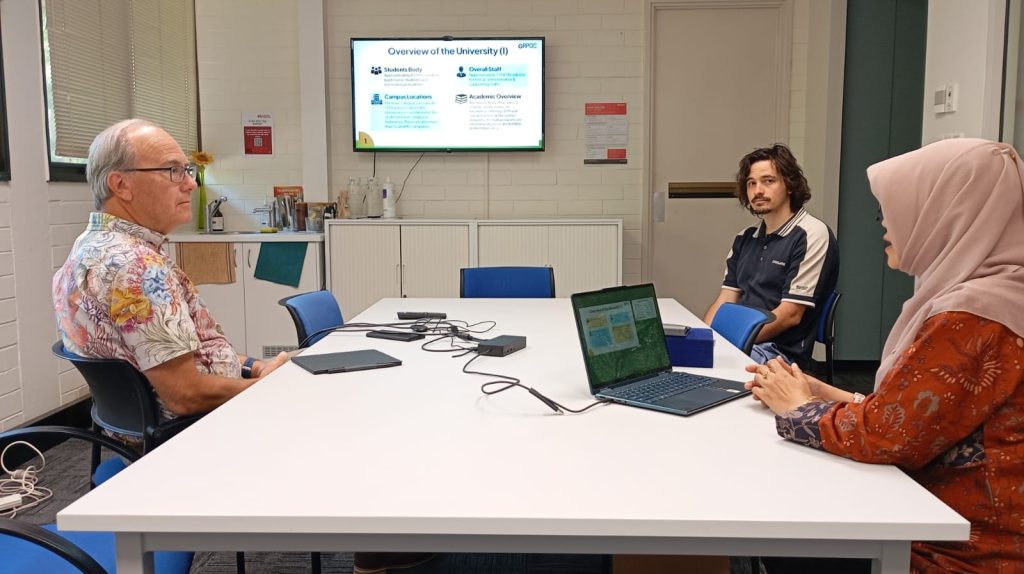
The discussions focused on ongoing collaborative activities between the two institutions. One example is the doctoral supervision of Erick Arrashy Rudianto, M.Si., a student in UNDIP’s Doctoral Program in Marine Science (DIKL). Dr. Storm Blas Martin serves as one of his supervisors through the PMDSU scholarship program.
In addition, DIKL doctoral students have worked with students from Murdoch University on a joint research project. The project focuses on coral reef restoration in Bali.
Furthermore, both parties explored opportunities for joint research and potential research funding. They also discussed staff mobility and student mobility programs. These programs would allow lecturers and students to take part in formal learning activities and fieldwork at both universities.
Developing Joint Research in Parasitology
Research collaboration between UNDIP and Murdoch University also covers the field of parasitology. One ongoing research project examines Pseudometadena celebensis, a parasitic species from the family Cryptogonimidae. This parasite infects the barramundi (Lates calcarifer).
The research combines morphological studies and phylogenetic analysis. These methods help researchers examine the species’ characteristics and evolutionary relationships. The team also uses scanning electron microscopy (SEM) to observe the parasite’s body structures in greater detail.
The findings provide new information about the characteristics and evolutionary history of Cryptogonimidae. Moreover, the study presents the first molecular data for this parasite family from Indonesia.
The research article is currently undergoing proofreading before publication. The team plans to submit or publish the article in the International Journal for Parasitology: Parasites and Wildlife, a Scopus-indexed journal ranked in the Q1 quartile. This research is expected to improve scientific understanding of marine parasite diversity and its evolutionary history in the Indo-West Pacific region.
Exploring Marine Biodiversity at AQWA
In addition to academic meetings, Prof. Diah visited the Aquarium of Western Australia (AQWA). This visit provided an opportunity to explore the marine biodiversity of Western Australia.
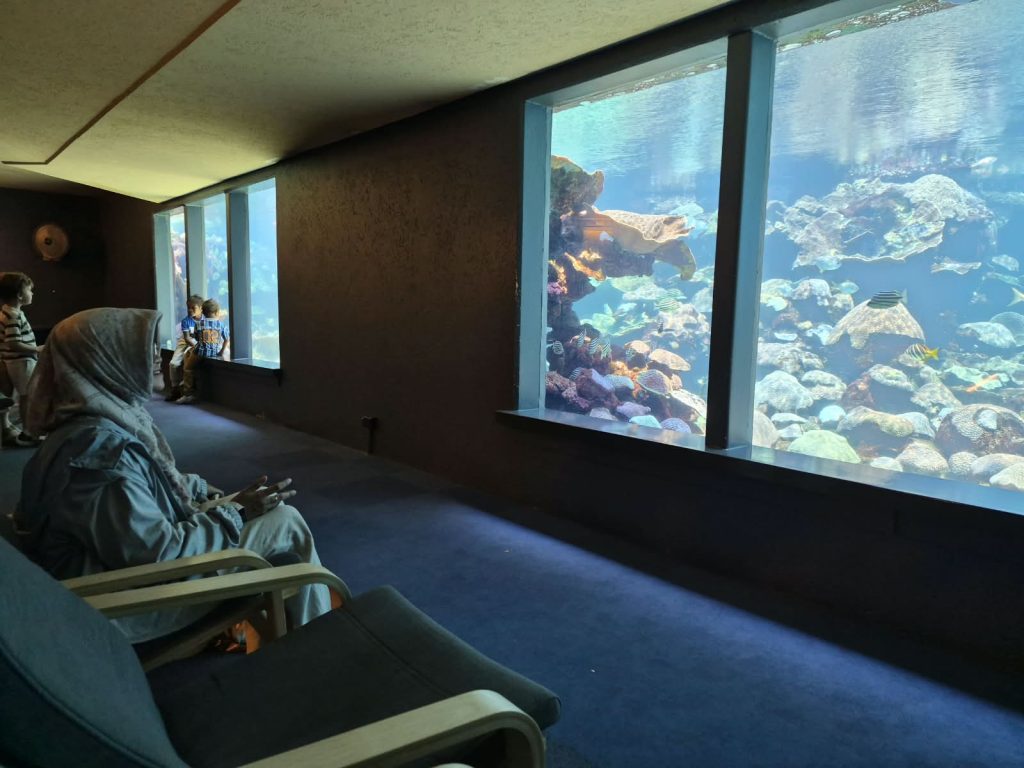
AQWA displays various coral species and marine organisms native to the region. Its specially designed coral tanks allow visitors to observe these organisms up close. The facilities also help visitors learn about different coral species and their characteristics.
Furthermore, AQWA provides interactive information panels about corals and coral reefs. Visitors can simply select the available panels to learn more about the displayed species.
AQWA also introduces visitors to the diversity of seagrass species in Western Australia. Information about various sea turtle species found in the region is also available. Through these engaging displays, visitors can gain a better understanding of marine ecosystems and conservation.
Exploring Western Australia’s Native Plants at King’s Park
The visit also included King’s Park Botanic Garden, one of the world’s well-known urban parks. Located in the heart of Perth, the park covers approximately 400 hectares. It lies near the Swan River in Western Australia.
King’s Park combines natural bushland with carefully designed landscaped gardens. It also features a wide range of native Western Australian plants. Many of these plants show how vegetation adapts to dry or arid environments.
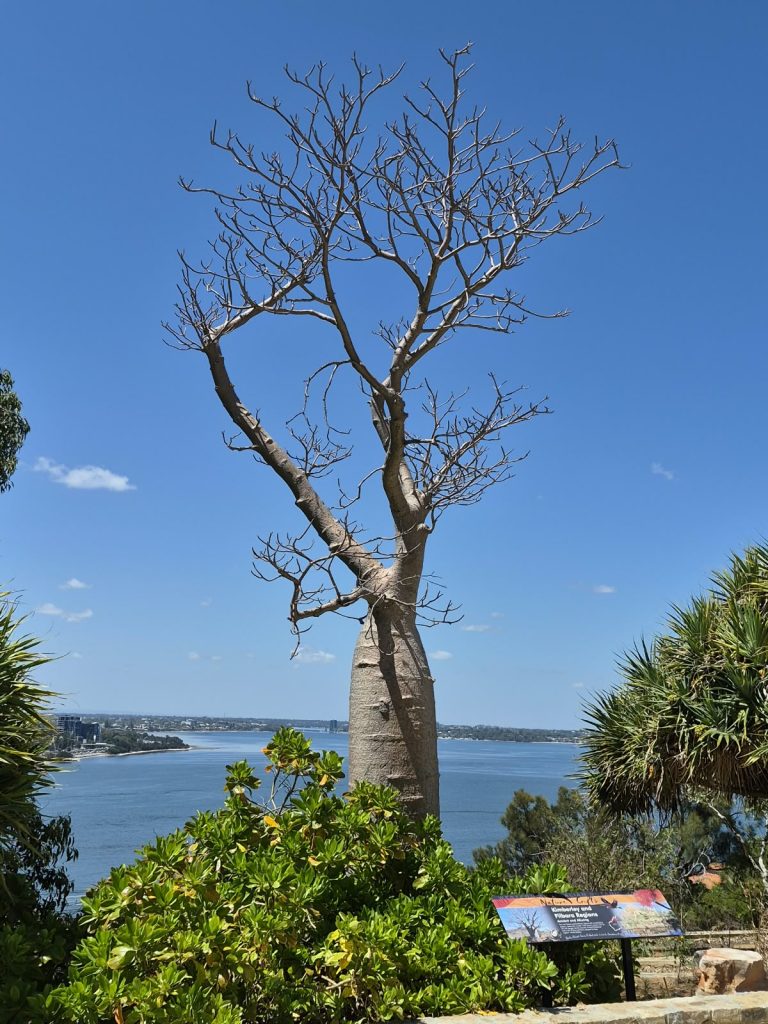
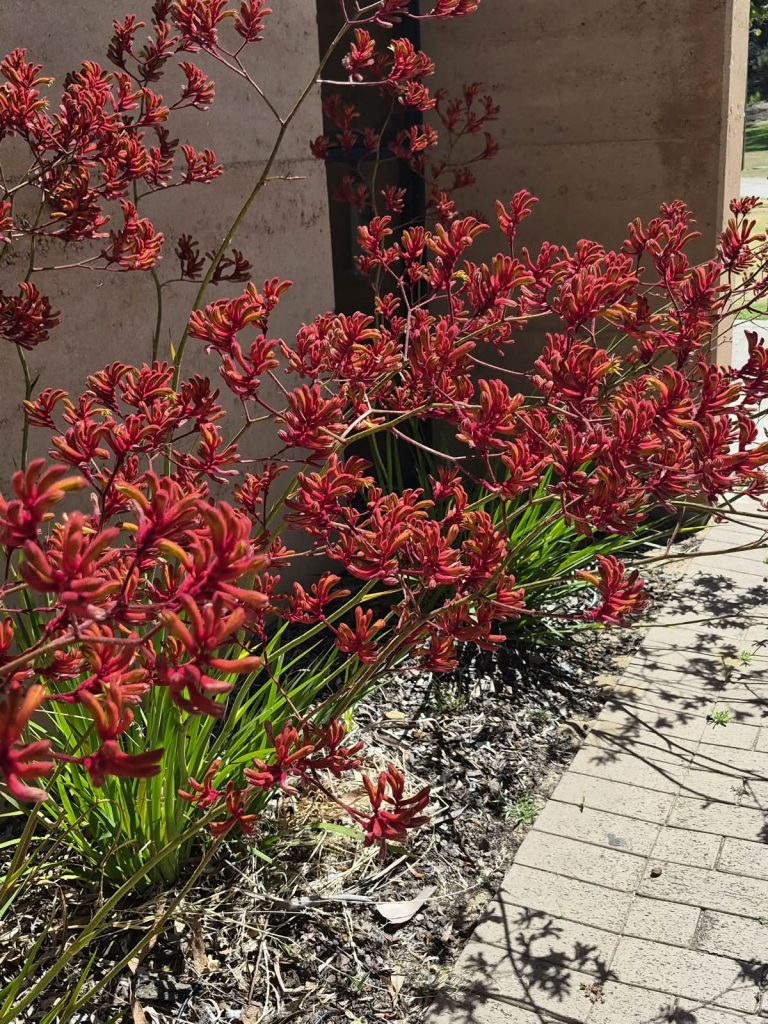
One of the park’s main attractions is the Boab tree (Adansonia gregorii). It is the only baobab species native to Australia. Visitors can also discover different varieties of Kangaroo Paw, a distinctive plant native to Western Australia.
Kangaroo Paw flowers have shapes that resemble a kangaroo’s claws. They also come in various colors, including red, pink, yellow, orange, green, and black. These unique shapes and colors make the plants a popular attraction.
To support environmental education, King’s Park provides walking trails based on different plant habitat zones. One of its notable facilities is the Lotterywest Federation Walkway. This elevated walkway also serves as a viewing platform. Visitors can enjoy views of the park’s trees and surrounding landscape along the route.
Interestingly, visitors can explore the park free of charge, and it remains open 24 hours a day. As a result, King’s Park serves as both a green public space and an educational and recreational destination for residents and tourists.
Expanding UNDIP’s International Academic Network
The academic visit to Murdoch University marks an important step in strengthening the partnership between the two institutions. Existing cooperation includes doctoral supervision, joint research, and the development of scientific publications.
Looking ahead, both universities have opportunities to expand their collaboration. These efforts may include joint research projects, lecturer and student exchanges, and field-based learning activities.
Through this partnership, FPIK UNDIP aims to improve the quality of education and research. Furthermore, international cooperation is expected to strengthen the faculty’s contribution to fisheries and marine science at the global level.